Welcome to Lion Head Beach
A Waterfront Community Rooted in Nature, Stewardship, and Neighborliness
A place to slow down, connect, and feel at home
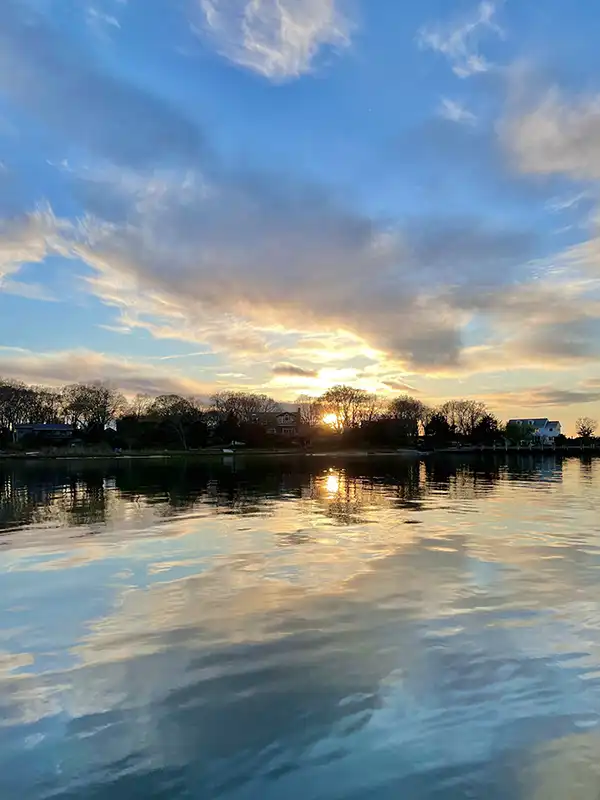
Sunset Over Hog Creek
Whether you are joining us year-round or seasonally, we are glad to have you as part of our community!
Lion Head Beach is a unique waterfront neighborhood shaped by its natural surroundings, shared spaces, and neighbors who care deeply about preserving its character. This guide is designed to help new homeowners feel informed, comfortable, and at home. It offers an overview of our community, helpful reminders about living in a sensitive coastal environment, and resources to support an easy and enjoyable transition.

Paddle Boarding Off Lion Head Beach
A BRIEF HISTORY
Lion Head Beach is part of the historic hamlet of Springs, shaped by indigenous Montaukett heritage, early colonial settlement, maritime traditions, and later by artists and environmental stewards who valued its quiet beauty.
The Lion Head Beach subdivision was established in 1961, and the Association was incorporated shortly thereafter to preserve the community’s character, shared amenities, and waterfront environment.
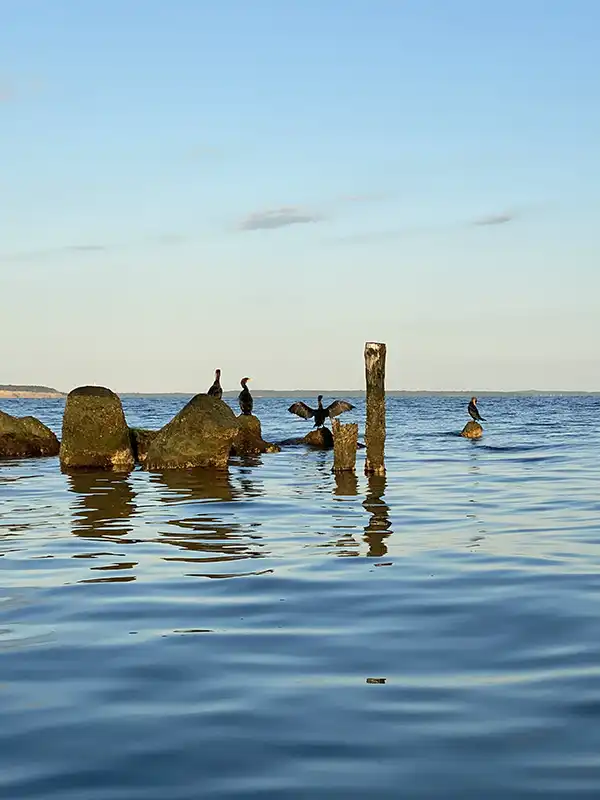
Cormorants Perched On Pilings At The Lion Head Beach Inlet
OUR COMMUNITY AT A GLANCE
- Approximately 190 homes in a waterfront setting
- A private community beach, marina, and shared open spaces
- Managed by a volunteer Board of Directors—neighbors serving neighbors
- A mix of year-round residents and seasonal homeowners
- Lion Head Beach sits within an interconnected coastal ecosystem of wetlands, ponds, creeks, and bay waters. These environments support wildlife while protecting water quality and shoreline stability
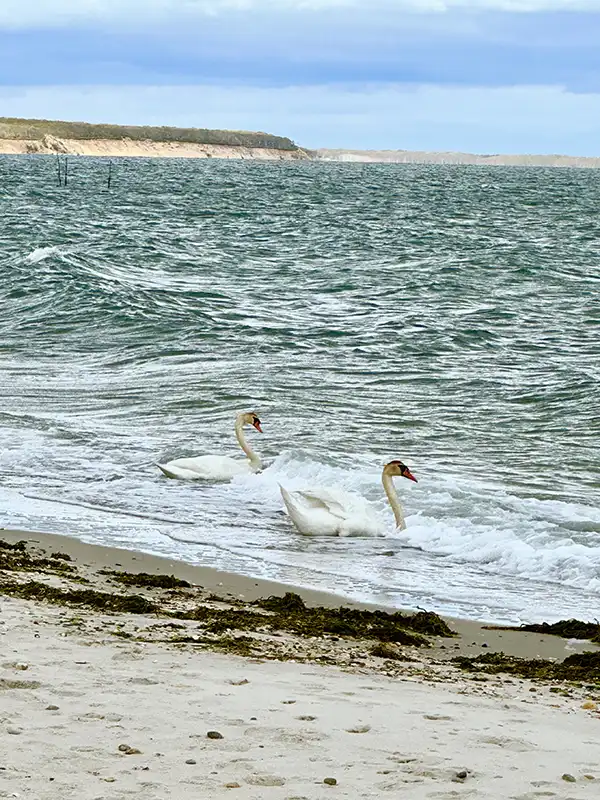
A Dip In The Bay Then Back To Swan Pond To Relax
OUR NATURAL ENVIRONMENT
Because our homes are closely connected to the water, everyday choices—such as landscaping, lighting, septic systems and runoff management—have a direct impact on the health of our surroundings. Protecting and planting native trees and grasses is a vital component of how we take care of our neighborhood.

Idyllic Waterways In Autumnal Reflection – From Our Marina
LIVING SUSTAINABLY & LANDSCAPING WITH NATURE
Many residents choose nature-based landscaping that works with our coastal environment rather than against it. Native plants and trees, healthy soil, and chemical-free practices help protect nearby waters while supporting birds, pollinators, and wildlife.
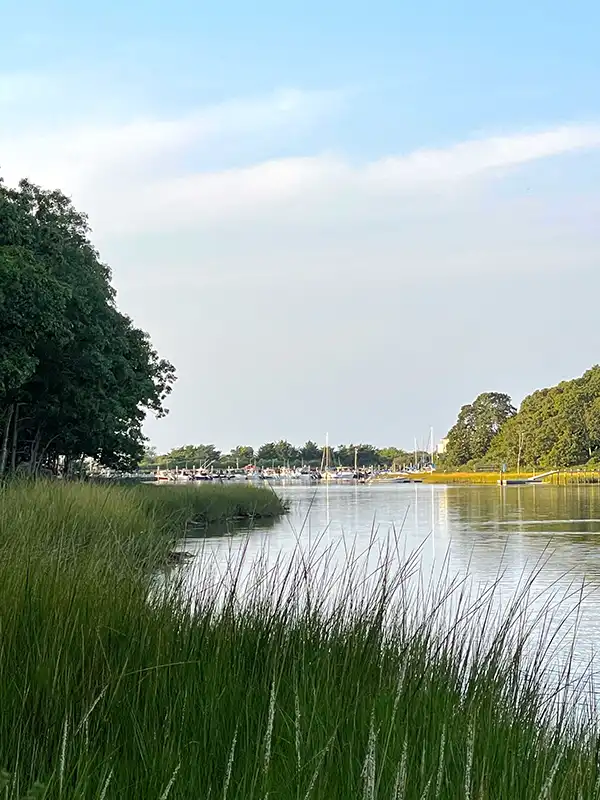
Below, with the marina in the distance, the creek is framed by native grasses, trees and bushes. Water-cleansing shellfish proliferate along the shores and in the shallow waters. Egrets and Heron spend hours in these grasses silently hunting small fish.
WILDLIFE AND STEWARDSHIP AT LION HEAD BEACH
Lion Head Beach is home to a wide range of wildlife whose presence reflects the health of our environment. Osprey, Egret, Great Blue Heron, Mute Swans, Canada Geese and a wide array of hawks, birds and various typed of ducks abound. We even have a Bald Eagle who drops in!
Protecting habitat and minimizing disturbances help to ensure our precious wildlife will continue to thrive here for generations to come.
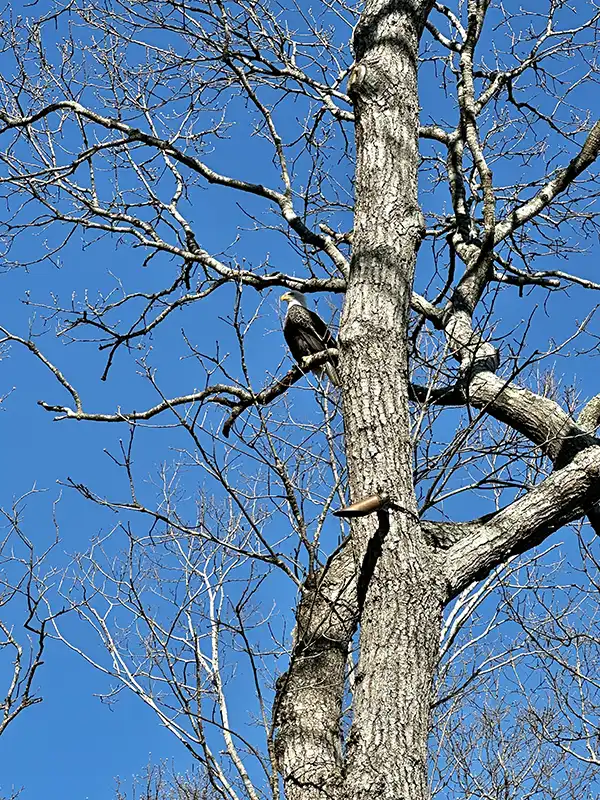
American Bald Eagle Perched In A Native Black Walnut Tree In The Neighborhood – Osprey Prefer These Elevated Perches As Well Which Are Perfect For Hunting Fish
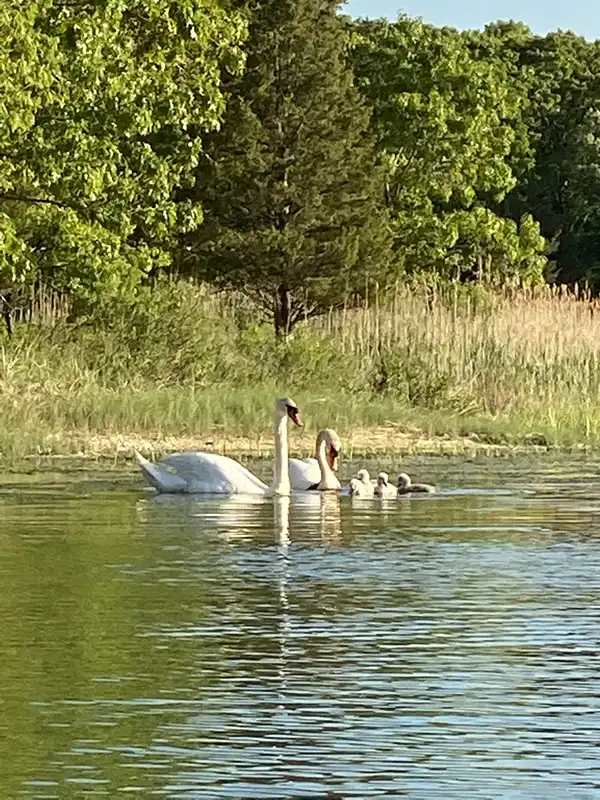
Each May One Of Our Resident Pairs of Mute Swans Comfortably Nests Along the Shore In A Nature Reserve of Tall Grasses
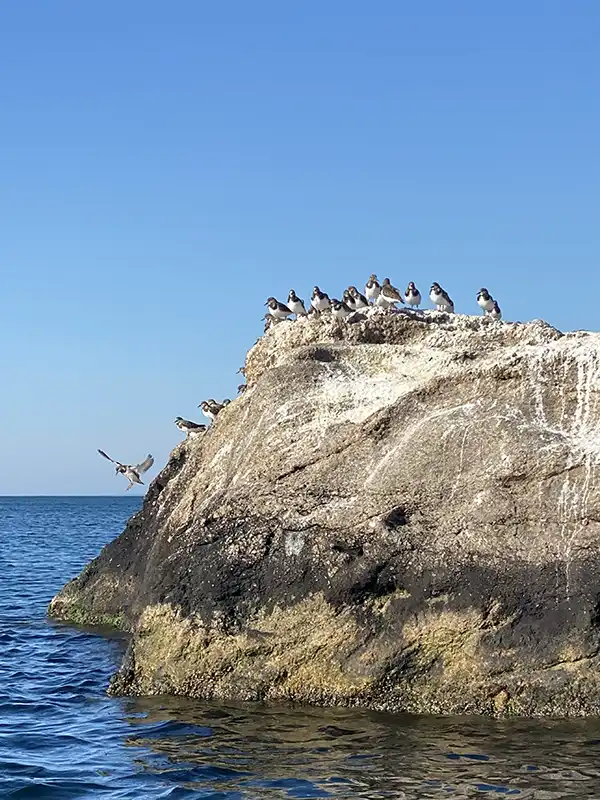
A Gaggle Of Sandpipers Gather Daily To Sun Themselves On Lion Head Rock In Gardiner’s Bay Just Off Lion Head Beach – Last One In Is A Rotten Egg!
PRESERVING OUR DARK SKIES
One of the peaceful pleasures of living at Lion Head Beach is experiencing truly dark nights. Preserving dark skies helps protect wildlife by maintaining their natural migrating, feeding and breeding habits. It also helps to sustain the naturally calm nighttime character of our neighborhood and permits for magnificent moon and stargazing.
A simple landscaping solution would be to utilize down lights rather than up lights and to install “warmer” color temperature bulbs which emit a soft yellow-hued light rather than a harder white-blue light. Lights out before you go to bed!
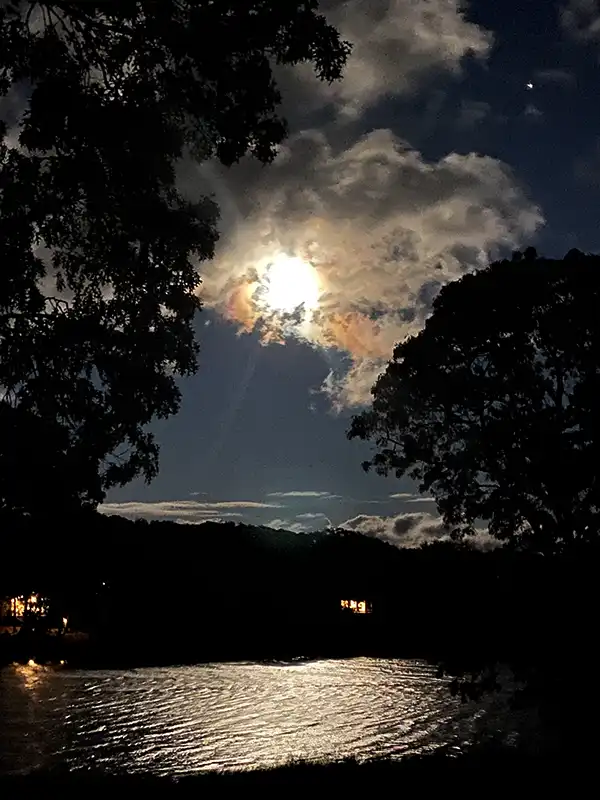
Rising Moon Over Lion Head
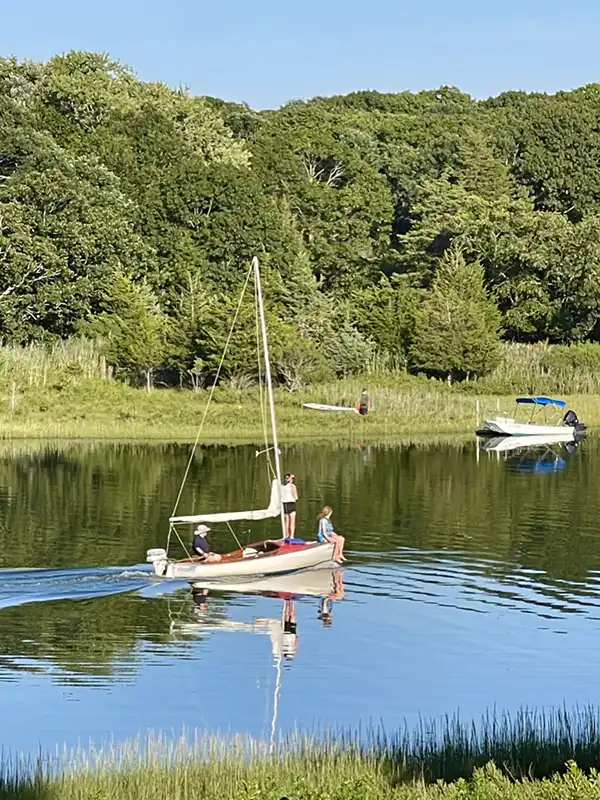
Gentle Waters of Hog Creek Enjoyed With Safety, Care And Respect
SHARED SPACES WE CARE FOR TOGETHER
MARINA
Our marina, including 40+ slips for boats up to 30 feet long as well storage racks for kayaks and paddle boards, is a beautiful and highly valued shared amenity and a source of revenue for our Association. WIFI connectivity and security cameras ensure that boaters and beachgoers alike are able to enjoy a safe and protected environment.
For questions about boat slip availability please feel free to reach out to us at [email protected].
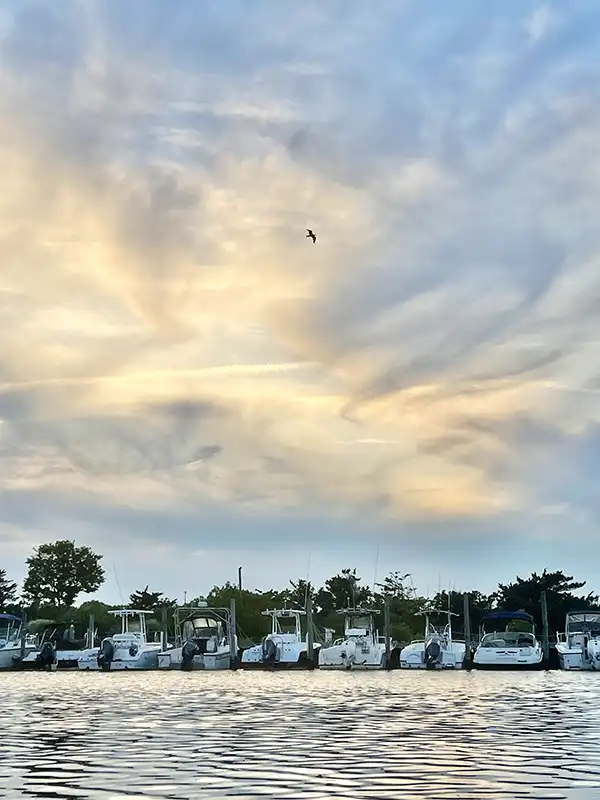
BEACH
Our beach is a rare treasure and accessible by three paths in the neighborhood – Pond Lane, Bay Inlet Road and the marina recreation area! Fragile dune vegetation is protected and nesting wildlife is respected. Please keep dogs leashed during nesting season and pack out everything you bring — as we like to say Please Leave No Trace. Fires are not permitted but JOY most definitely is—bring it on!
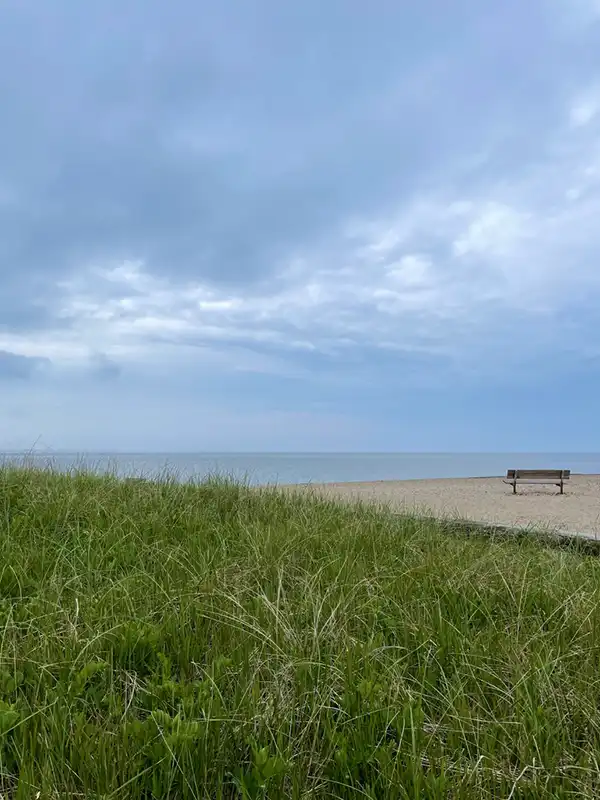
A Quiet Place To Just Be…


HOME IMPROVEMENTS, ADDITIONS & ALTERATIONS
Renovations, additions, and exterior changes may require Town permits and LHBA review. Early coordination helps projects proceed smoothly and in keeping with community standards.
COMMUNITY GOVERNANCE
Lion Head Beach operates under recorded Restrictions & Covenants and Association By-Laws.
CULTURAL ORGANIZATIONS & COMMUNITY LIFE
The Springs and East Hampton area offers rich cultural opportunities including arts organizations, music and film festivals, theater, libraries, historical societies, lectures, with performances year round. There are also a diverse assortment of gardens, trails and wineries to explore! Life here is never dull – calm, relaxing, peaceful yes… but never dull.
NEIGHBORHOOD VOLUNTEER OPPORTUNITIES
Environmental stewardship is always welcome! Beach cleanups, native plant projects and Association activities provide engaging opportunities to fortify and fully enjoy this exquisite community which is home to to us all.
HOME SERVICES & SEASONAL LOGISTICS
Services such as trash pick up, snow removal and heating fuel delivery are managed privately — there are many providers to select from. For a list of vendors who offer negotiated discounts to residents of LHBA please refer to the lionheadbeach.com website.
A useful and free resource for information is nextdoor.com which is a hyperlocal networking app designed to connect people who live in the same neighborhood or community. Residents are able to make inquiries and share information such as local providers for a wide range of services from pet sitters to contractors to home care and much more. The East Hampton Star is an excellent weekly publication offering comprehensive local news and extensive community information. It is published every Thursday in print and continuously online at easthamptonstar.com
We are delighted to welcome you to your new home in this community of Lion Head Beach. We hope it becomes a space of comfort, connection and lasting memories. May you find possibility here in the whispers of the breeze and reflections on the water. May the bright stars guide you always!

Inside this Appendix you will find:
- Overview of our community guidelines
- East Hampton resources, from beach permits to recycling
- Public Safety and Utility resources
- Homeowner Sale and Rental Guidance
- East Hampton and LHBA Environmental information
Please take a moment to sign on to on our Resident Website lionheadbeach.com to stay informed about neighborhood meetings, social gatherings, and other updates.
If you have any questions as you get settled, please don’t hesitate to reach out to the Board or any of your neighbors. We look forward to seeing you at the beach, on the road, or at our next community meeting.
Warmly,
The LHBA Board of Directors
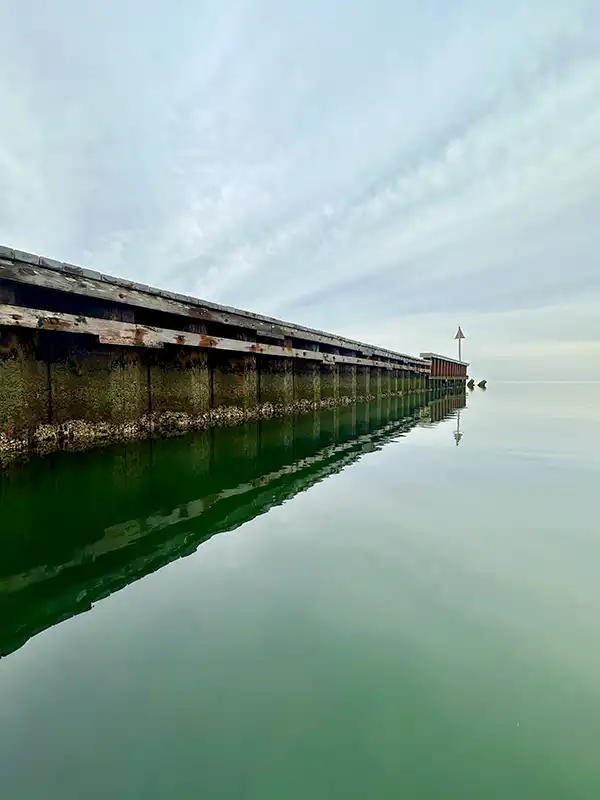
Lion Head Beach Internal Governance
- LHBA Official Website: lionheadbeach.com
- Governing Documents: Direct links to the HOA Covenants, Restrictions, Bylaws, Conflict of Interest Policy, and Property Owner Guidelines can be found in the Homeowner Resources section of the website
- HOA Board Contacts: [email protected]
Town of East Hampton Resources
- Sanitation & Recycling: Information on the Town Recycling Center (The “Dump”) 631- 324-2199
- Beach & Parking Permits: Available from the Town Clerk 631-324-4143
- Code Enforcement: Links to noise ordinances, lighting regulations, and rental registry information 631-324-3858
- East Hampton Library: 159 Main Street, EH; easthamptonlibrary.org 631-324-0222
- East Hampton Post Office: 12 Gay Road, EH; 800-275-8777
- YMCA Recreation Center: 2 Gingerbread Lane, EH 631-329-6884.
Public Safety & Utilities
- Emergency Services:
- East Hampton Town Police Department 631-324-3018
- East Hampton Fire Department/Ambulance Corp. 631-324-0124
- Stony Brook Southampton Hospital 631-726-8200
- Stony Brook East Hampton Emergency Department 631-638-3433
- Utility Providers:
- PSEG Long Island www.psegliny.com
- Suffolk County Water Authority (SCWA) www.scwa.com
- Optimum – Internet and Telephone www.optimum.com
- Vendor Discount List for LHBA residents www.lionheadbeach.com
Selling or Renting Your Home
- If you’re considering offering your home for sale please notify the Board as early as possible.
- If you’re considering offering your home for rent please keep in mind the East Hampton Town requirements. Please refer to Chapter 199 “Rental Registry” within the East Hampton Town Code. This can be found online at the Town’s eCode360 portal. This will walk you through the steps which must be taken prior to listing your home for rent.
- Please keep in mind it is illegal to rent a property for less than two consecutive weeks more than twice in any given six-month period as per Chapter 255.
- Rental guidelines include rules regarding trash disposal, parking, noise regulations, beach fires and pets can be found in the following areas of the Town Code:
- Trash Disposal and Property Upkeep: Chapter 167 and 170 respectively
- Parking Restrictions: Chapter 255
- Noise Regulations: Chapter 185
- Beach Fires: Chapter 91
- Pets and Animals: Chapter 80
Environmental Information
NOTE FROM THE BOARD:
The following information is derived directly from the East Hampton Town Code, specifically Chapter 255 (Zoning), which outlines the regulations for the Town’s various Overlay Districts.
The specific sections governing our area are:
Section 255-3-70 to 75 (Harbor Protection Overlay District): These sections detail the legislative intent and the specific restrictions on clearing, setbacks, and swimming pools to protect local surface waters like Hog Creek.
Section 210-3 (Sanitary Systems): This part of the code mandates the use of low-nitrogen (I/A) systems for new construction or upgrades within protected areas.
The East Hampton Town Natural Resources Department: This department manages the Septic Incentive Program and provides the guidelines for native revegetation and “Healthy Lawns” initiatives.
New York State Environmental Conservation Law: This provides the “blackout” dates for fertilizer application and the restrictions on phosphorus.
Town of East Hampton Harbor Protection Overlay District (HPO)
Since the Lion Head Beach Association is located within the Harbor Protection Overlay District (HPO), it is subject to specific environmental protections aimed at safeguarding the water quality of Hog Creek and Gardiner’s Bay.
Below are the primary regulations for septic systems, fertilizer and pesticides, landscaper requirements and clearing regulations in this district:
1. Septic System Regulations
Because the HPO district is considered a “Critical Area” for water quality, the requirements for wastewater management are significantly higher than in other parts of town.
Low-Nitrogen Mandate: All new construction or any major expansion/upgrade of an existing system within the HPO district must install a “Low-Nitrogen” (I/A OWTS) sanitary system. These systems are designed to reduce nitrogen effluent to very low levels to prevent algae blooms and protect local fisheries.
Voluntary Upgrades & Incentives: If you choose to replace an old cesspool or standard septic system voluntarily, you may be eligible for the Town’s Septic Incentive Program.
Properties in the “Water Protection District” (which includes most HPO areas) qualify for substantial rebates.
Permitting: Any work on a sanitary system requires a building permit from the East Hampton Town Building Department and approval from the Suffolk County Department of Health Services.
2. Town of East Hampton Fertilizer & Pesticide Regulations
East Hampton Town and New York State have strict regulations regarding the use of fertilizers and pesticides, especially within the Harbor Protection Overlay District (HPO) where the Lion Head Beach Association is located.
Because this district is designed to protect the water quality of Hog Creek and Gardiner’s Bay, the rules focus on preventing chemical runoff and nitrogen loading.
*Fertilizer Restrictions:
In addition to New York State’s “Nutrient Runoff Law,” East Hampton Town frequently places specific restrictions on properties within the HPO through the Natural Resources Special Permit (NRSP) process.
Seasonal Blackout: It is illegal to apply lawn fertilizer between December 1 and April 1 (NY State Law).
Phosphorus Ban: You cannot use fertilizer containing phosphorus on established lawns unless a soil test proves a deficiency. Look for the “zero” in the middle of the bag (e.g., 20-0-10).
Water Buffers: Fertilizer cannot be applied within 20 feet of any water body (like Hog Creek or the Bay). This buffer increases to 150 feet for some activities within the HPO.
Application Rules: If any fertilizer lands on a driveway or sidewalk, it must be swept up immediately; hosing it off into storm drains is prohibited.
*Pesticide Regulations
The Town of East Hampton has long been a proponent of organic land care.
Sustainable Landscaping Policy: While the Town cannot legally ban private homeowners from using all pesticides (due to state pre-emption), they strictly prohibit the use of chemical pesticides and herbicides on Town-owned properties within the district.
HPO Covenants: For many properties in Lion Head Beach, building permits or clearing approvals were granted on the condition of “Covenants and Restrictions” recorded on the property deed.
These often include a “no-chemical” clause that legally binds the homeowner to organic-only landscaping.
Pollinator Protection: The Town actively encourages “Healthy Lawns” initiatives that recommend eliminating synthetic “weed and feed” products, which are toxic to the aquatic life in Hog Creek.
3. Landscaper Requirements
If you hire a professional, they must follow specific rules:
Registration: Any landscaper working in the Town or Village must be registered and carry a valid Home Improvement License.
Certification: They must have completed the Suffolk County Nitrogen Fertilizer Turf Management Course to legally apply fertilizer in this area.
The “Living Buffer” Approach
In the Lion Head Beach area, the Town Natural Resources Department strongly prefers that homeowners maintain a “Native Buffer” (natural woods or meadow) between their lawn and the waterfront. This buffer acts as a natural filter, catching nitrogen before it hits the creek.
Tip: If you are unsure if your specific property has a “No-Fertilizer” covenant on the deed, you can check with the East Hampton Town Planning Department.
4. Clearing Regulations
“Clearing” refers to the removal of any native vegetation, trees, or brush. The Town Code is very protective of the natural canopy and understory in coastal areas.
Maximum Permitted Clearing: The amount of land you are allowed to clear is determined by the size of your lot. For example:
Lots up to 10,999 sq. ft.: Up to 100% may be cleared (though setbacks and HPO-specific rules s still apply).
Lots 20,000 to 280,000 sq. ft.: A formula is used: 10,000 sq. ft. + (lot area x 25%).
HPO Specific Restrictions: Within the Harbor Protection district, the Town Board may further restrict clearing to ensure there is no adverse runoff into the wetlands or bay.
Natural Resources Special Permit (NRSP): If your property is within 150 to 200 feet of the wetlands (Hog Creek or the Bay), any clearing, digging, or construction may require an NRSP. This process often involves a review to ensure native buffers are maintained.
Driveways & Parking: To prevent runoff, new driveways in the HPO district are often required to use permeable or specific “unimproved” surfaces like crushed shells or quartz gravel.
Preserving the magnificent natural environment of our community is a priority for the Town of East Hampton as well as LHB. As per the Town of East Hampton, property clearing restrictions may be enforced with Criminal Penalties: Illegal clearing is often treated as a criminal offense, prosecuted by the Town Attorney’s office; Stop Work Orders: The Building Inspector or Code Enforcement Officer can issue stop-work orders, and failure to comply with these orders can increase penalties; Civil Penalties: In addition to fines, the town may impose penalties equal to twice the cost of clearing the material.
*The Perfect Earth Project offers complimentary native landscaping consultations For LHBA members.
The Perfect Earth Project is a non-profit organization based in Springs (with an office on Springs Fireplace Road). It was founded in 2013 by renowned landscape designer Edwina von Gal. The project is dedicated to promoting nature-based, toxic-free land care practices. It essentially challenges the traditional idea of a “perfect” lawn—which often requires heavy chemical use—and redefines it as a space that is safe for people, pets, and the environment. 631-771-0504 or email Tim Wheeler at [email protected]
Town of East Hampton Native Plants Approved for Re-Vegetation Planting Key:
| Symbol | Meaning |
| ** | Highly Deer Resistant |
| S | Shrub |
| T | Tree |
| V | Vine |
| L | Low Shade Tolerance (Full Sun) |
| LM | Low-Moderate Shade Tolerance |
| M | Moderate Shade Tolerance |
| H | Highly Shade Tolerant |
| Botanical Name | Common Name | Form | Shade |
|---|---|---|---|
| Acer rubrum | Red Maple | T | LM |
| Amelanchier | Shad | S | LM |
| Arctastaphylos uva-ursi** | Bearberry** | S | LM |
| Aronia arbutifolia | Red-berry Chokeberry | S | LM |
| Aronia melanocarpa | Black Chokeberry | S | LM |
| Baccharis halimifolia** | Groundsel Bush** | S | L |
| Betula alleghaniensis | Yellow Birch | T | LM |
| Betula lenta | Black Birch | T | LM |
| Betula populifolia | Gray Birch | T | LM |
| Clethra alnifolia | Sweet Pepperbush | S | LM |
| Comptonia peregrina | Sweet Fern | S | H |
| Cornus alternifolia | Alternate-leaf Dogwood | T | LM |
| Cornus amomum | Swamp Dogwood | T | LM |
| Cornus florida | Flowering Dogwood | T | LM |
| Cornus sericea | Red-Osier Dogwood | S | LM |
| Gaylussacia baccata | Black Huckleberry | S | H |
| Hamamelis virginiana | Witch-Hazel | S | LM |
| Ilex glabra | Inkberry | S | LM |
| Ilex opaca | American Holly | T | LM |
| Ilex verticillata** | Common Winterberry** | S | LM |
| Iris versicolor | Blue Flag | S | LM |
| Juniperus virginianus | Eastern Redcedar | T | L |
| Kalmia angustifolia | Sheep Laurel | S | M |
| Kalmia latifolia | Mountain Laurel | S | M |
| Lyonia ligustrina | Maleberry | S | LM |
| Lyonia mariana | Staggerbush | S | LM |
| Morella pensylvanica** | Northern Bayberry** | S | LM |
| Nyssa sylvatica | Tupelo | T | LMP |
| Opuntia humifusa** | Prickly-Pear** | S | L |
| Parthenocissus quinquefolia | Virginia Creeper | V | LM |
| Pinus rigida** | Pitch Pine** | T | LM |
| Pinus strobus** | White Pine** | T | LM |
| Prunus maritima | Beach Plum | S | L |
| Prunus serotina | Black Cherry | T | LM |
| Quercus alba | White Oak | T | L |
| Quercus coccinea | Scarlet Oak | T | L |
| Quercus falcata | Southern Red Oak | T | L |
| Quercus ilicifolia | Bear Oak | T | L |
| Quercus palustris | Pin Oak | T | L |
| Quercus prinoides | Dwarf Chestnut Oak | T | L |
| Quercus prinus | Chestnut Oak | T | L |
| Quercus stellata | Post Oak | T | L |
| Quercus velutina | Black Oak | T | L |
| Rhus copallina | Shining Sumac | ST | LM |
| Rhus glabra | Smooth Sumac | ST | LM |
| Rhus typhina | Staghorn Sumac | ST | LM |
| Rosa carolina | Pasture Rose | S | L |
| Rosa palustris** | Swamp Rose** | S | L |
| Rosa virginiana** | Wild Rose** | S | L |
| Sassafras albidum | Sassafras | T | LM |
| Vaccinium angustifolium | Late Lowbush Blueberry | S | LM |
| Vaccinium atrococcum | Black Highbush Blueberry | S | LM |
| Vaccinium corymbosum | Highbush Blueberry | S | LM |
| Vaccinium pallidum | Early Lowbush Blueberry | S | LM |
| Viburnum acerifolium | Mapleleaf Viburnum | S | LM |
| Viburnum dentatum | Southern Arrowwood | S | LM |
| Viburnum dentatum var. | Northern Arrowwood | S | LM |
| Viburnum lentago | Wild Raisin | S | LM |
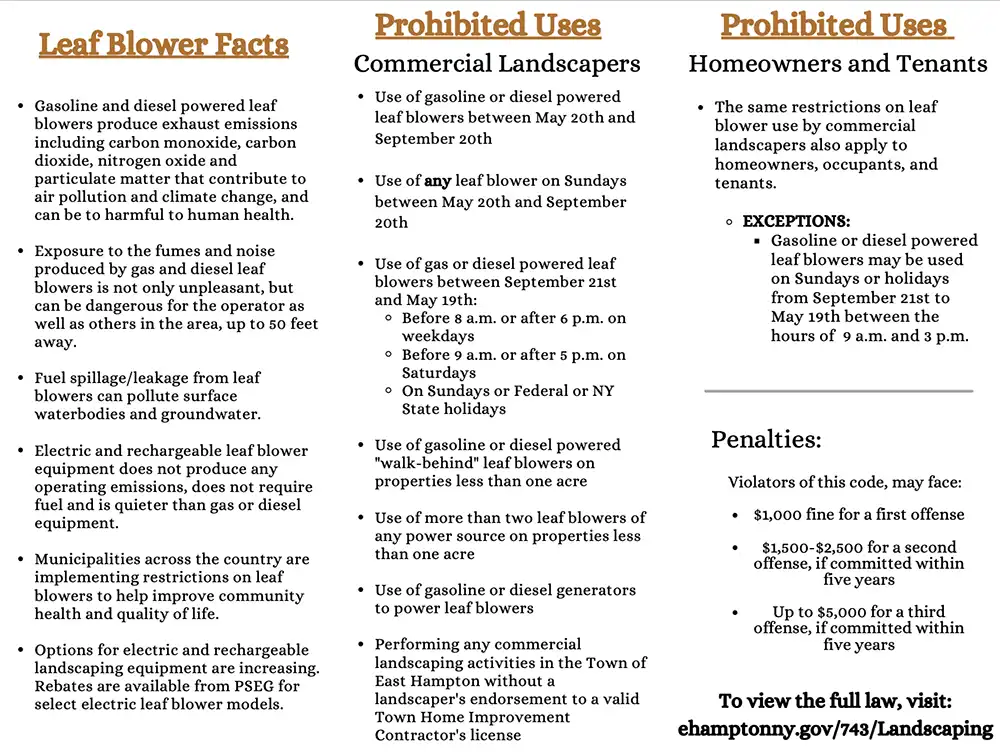
Town of East Hampton Leaf Blower Ordinances:
Town of East Hampton Dark Skies Preservation Initiative:
- Light Pollution can confuse animals and affect their sleep, hunting and migration patterns. The Town of East Hampton supports educational and legislative efforts to eliminate light pollution — glare, trespass, and up-lighting by unshielded, misplaced, excessive, or unnecessary outdoor night lighting — in order to conserve energy, maintain our desirable community character, safeguard our wildlife, and restore our view of the starry night sky.
- East Hampton Town Code (and the broader “New York Dark Skies Protection Act” effective as of January 1, 2026) establishes that the mandatory protocol is to turn off all
- Non-essential outdoor lighting—including landscape lighting, tree uplighting and foliage illumination—by 11pm.
We’re Saving You A Seat!!